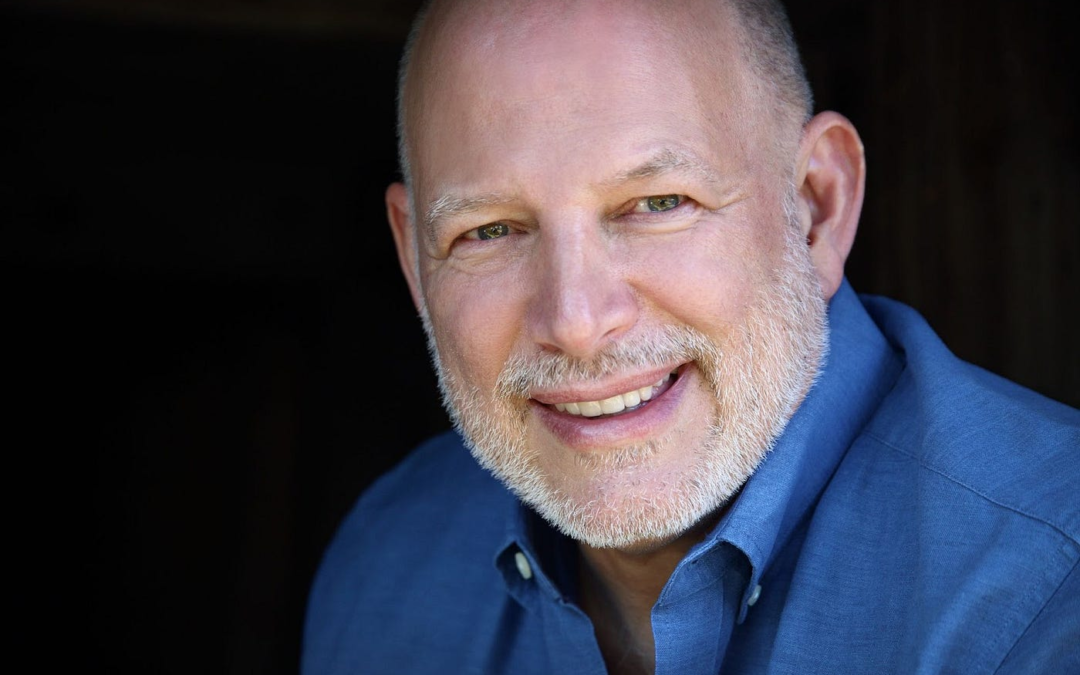
Greg Zlevor has spent three decades advising executives at global companies, and his firm's central bet is that the industry's obsession with proprietary models is part of the problem.
Greg Zlevor has spent thirty years inside the leadership development world, working with companies including Volvo, Pfizer, Intel, GE and United Airlines. As president of Westwood International, a global leadership consultancy based in Stowe, Vermont, he has written eight books and built programs for teams of 10 to 30 people at a time, engagements that in some cases have run for months or years. One client relationship has continued for two decades. Another, a global company with roughly 10,000 employees, has worked with Westwood for ten years, and in its most recent round of succession planning, the executives promoted into senior leadership were the ones who had come through the program.
What makes Zlevor's approach unusual in his industry is what his firm deliberately does not offer. Westwood has no proprietary model or measurement system it needs to sell. Zlevor argues that when a firm builds its identity around a specific framework, the incentive shifts toward forcing every client conversation into that framework's boxes, at the expense of what is actually happening in the room. He sees that as one of the leadership industry's persistent mistakes: treating models as something to be served rather than tools meant to serve the moment.
That stance creates a real commercial tension. Some executives want a six-minute brief and a yes-or-no on budget. Others want what Zlevor calls the full version, which includes practices like meditation and emotional intelligence work built directly into technical training on facilitation and negotiation. Translating an approach that resists being packaged into engagements that companies will actually fund and sustain over months or years is a constant negotiation, one Zlevor navigates client by client rather than through a fixed pitch.
Alongside the consultancy, Zlevor has spent four years building something separate: Hopemakers Collective, a group that grew out of a proposal his team lost to Accenture for a global contract. About half the people involved decided to keep meeting anyway, and the group has since grown to somewhere between 150 and 200 people who gather twice a year. It currently costs Zlevor money to run, and he is now weighing how to make it sustainable, along with whether a format built for gatherings of forty or fifty people could work at a scale of a thousand or more without losing what makes it work.
Asked what he is personally trying to get better at right now, Zlevor points to three things pulling at the same hours: deciding what to delegate across several active projects, figuring out which AI tools are actually worth building into leadership programs given how quickly the field is shifting, and protecting time for his own daily meditation practice, which he treats as central to how he shows up with clients rather than separate from the work.